Construction du filtre

Showing results 1 to 9 on 9 in total
Paris, January 7, 2022 — After more than three years of work, the City of Paris has officially completed the ambitious redevelopment project of the Bois de Boulogne stormwater overflow structure, located in the Bois de Boulogne, in the 16th arrondissement. This large-scale project aims to improve stormwater management and reduce pollutant discharges into the Seine River.
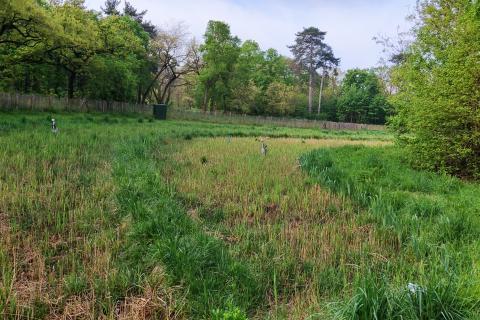
The LIFE ADSORB project is testing new ways of depolluting water that comes mainly from rainwater run-off from the ring road, with occasional contributions from wastewater. The goal is to remove 95% of the mineral and organic pollution (macro and micro pollutants).
The implementation of European environmental policy is carried out through the LIFE programme, its main instrument for the environment and the protection of nature.
The City of Paris carried out a sanitation works program between July 2018 and December 2020 in the northeastern part of the Bois de Boulogne. The objective was to reduce pollutant discharges into the Seine from the Bois de Boulogne storm overflow and to eliminate the discharge of clear water from the Saint-James pond and the Neuilly pond into the combined sewer system of the municipality of Neuilly-sur-Seine.
With an initial duration of 5 years (July 2018 - July 2023), the project has been extended to September 2025.
In Paris, an area that is emblematic of environmental issues in urban areas, the storm overflow crosses the Bois de Boulogne. It discharges rainwater from a section of the ring road directly into the Seine, and on rare occasions wastewater. To improve the management of urban discharges during rainy weather, the City of Paris has planned to upgrade the spillway by equipping it with a storage system and filtering water before it is discharged into the Seine.