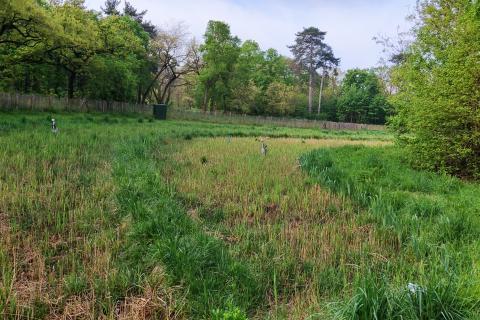
Construction du filtre

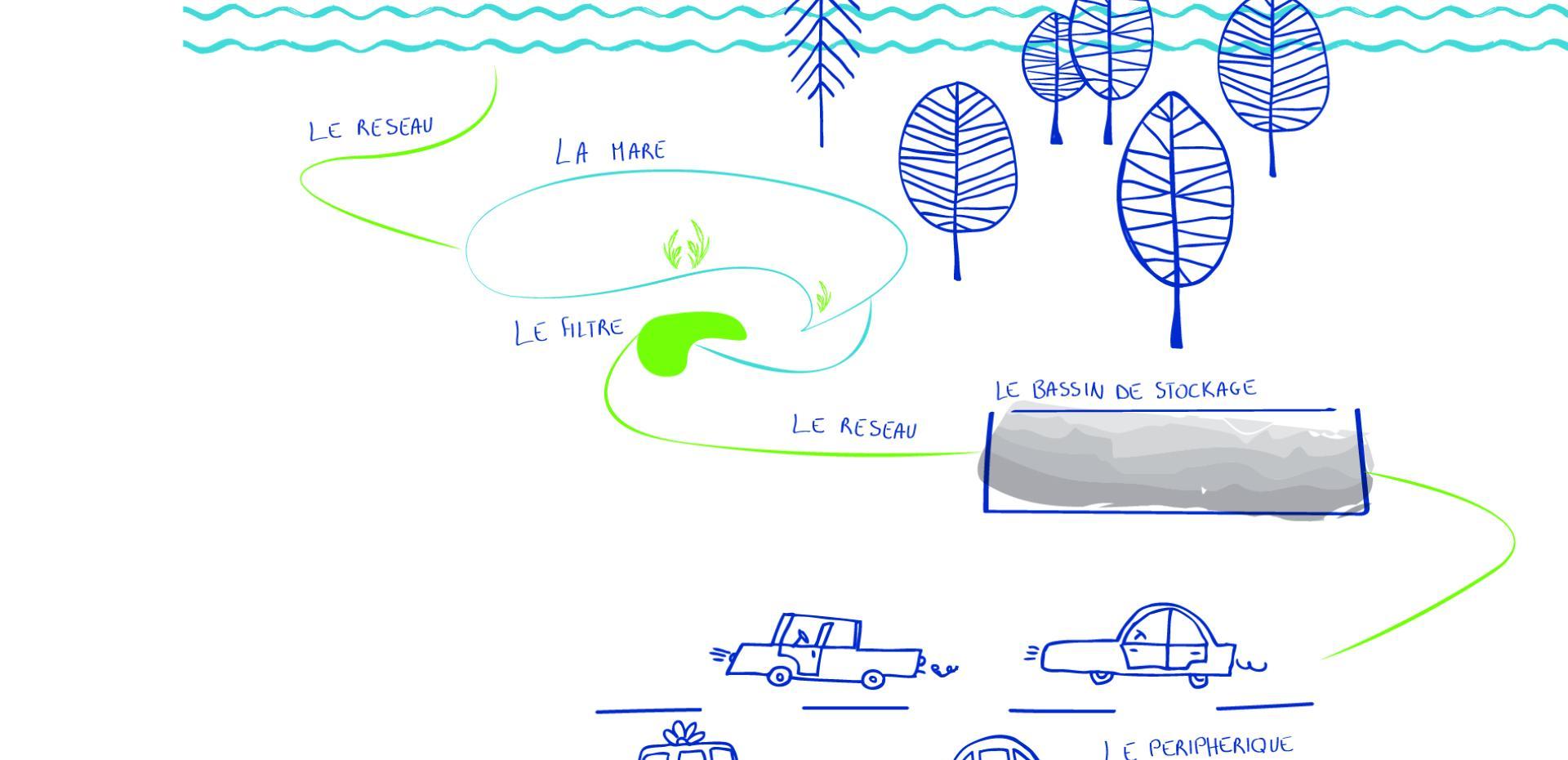
Project LIFE ADSORB
The After-LIFE Plan is a key step to ensure the sustainability, capitalisation and upscaling of the results of the LIFE ADSORB project beyond the funding period. Over the next three years, it sets out clear guidelines structured around four complementary pillars: communication and dissemination of results, continuation of environmental monitoring with the integration of new parameters, development of educational tools, and further improvement of knowledge on the quality of treated waters.
In terms of communication, the efforts initiated during the project will be maintained and reinforced in order to maximise the impact and transferability of the results. Actions will aim to disseminate technical and scientific outcomes to local authorities, water managers, policy-makers and the general public. This strategy will rely on updated communication materials, technical events, feedback sessions and targeted publications, positioning LIFE ADSORB as a reference project for nature-based solutions in urban stormwater management.
The continuation of environmental monitoring represents a second major pillar of the After-LIFE Plan. Existing monitoring schemes will be maintained to assess the long-term durability of the system’s treatment performance. This monitoring will be enhanced through the integration of emerging parameters, in particular pathogens and microplastics, addressing growing environmental and public health concerns. These additional investigations will broaden the knowledge base and help anticipate future regulatory requirements.
Furthermore, the project plans to continue the educational module for students. This module will build on the demonstrator site and the data generated during the project, fostering knowledge transfer, awareness of nature-based solutions, and the training of future professionals in the water and environmental sectors.
Finally, an additional study will be carried out to improve the characterisation of the quality of water entering the filter. This work will provide a better understanding of the variability of pollutant loads according to hydrological conditions and catchment uses, and will refine the assessment of the system’s performance. It will contribute to strengthening the scientific robustness of the results and facilitating the replicability of the system in other territories.
Through these actions, the After-LIFE Plan aims to ensure the continuity of the project’s environmental benefits, enhance its long-term impact, and support the wider deployment of innovative and sustainable solutions for the protection of aquatic environments.